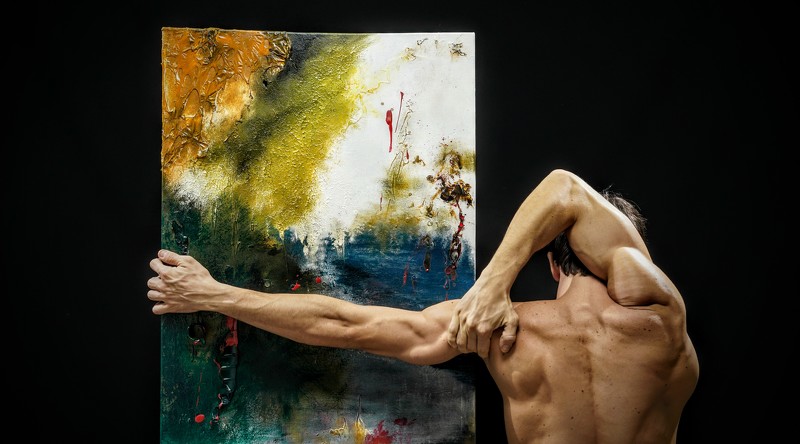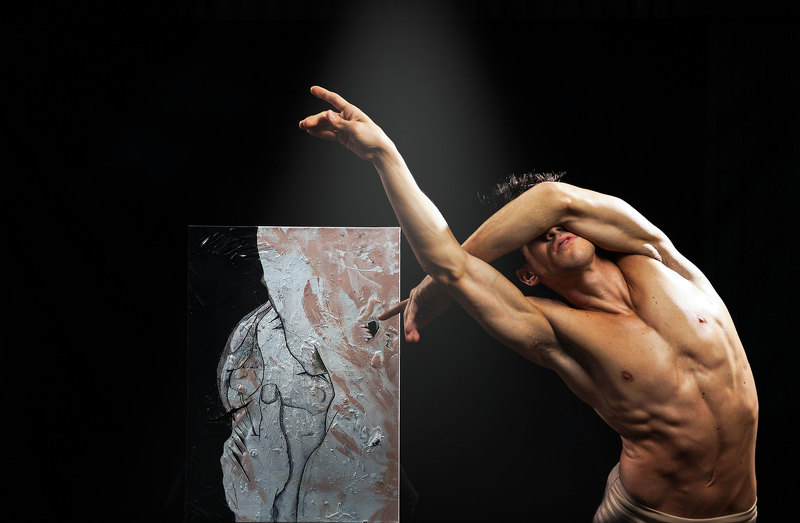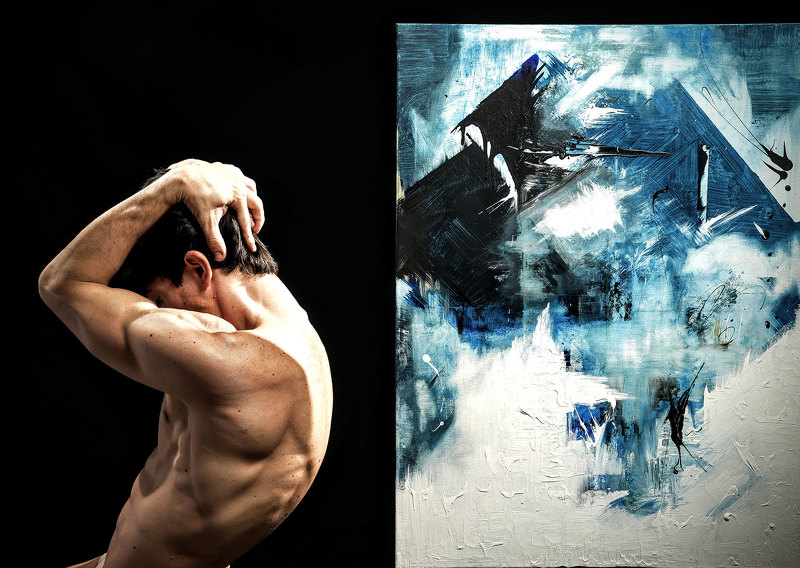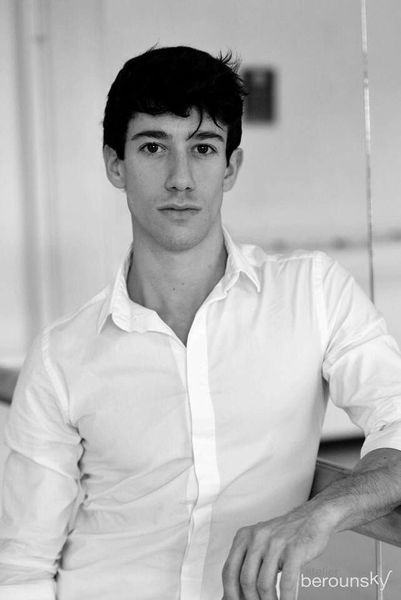
Francesco Calipari was born on 8 January 1990 in Locri (RC), a historic city in southern Italy, as well as an ancient and important colony of Magna Grecia; this cultural heritage, which will mark the interests and personality of the young person, leading him from an early age to develop a strong interest in the whole world of art. His education is definitely polyhedric. After graduating from the Scientific Institute Pietro Mazzone, he immediately moved to Rome, where he passed admission to join the courses of the National Academy of Dance in the capital. These courses allow him, in addition to an excellent dance education, to completely detach himself from his scientific learning, to fully embrace the study of Art in all its forms. And this is how the young artist comes into contact with the world of dance, music, opera, theater, costume, art history and more. In 2013 he graduates from the National Accademy and continues his studies attending the post-graduate’s courses in History of Art of the University of Rome La Sapienza. However, his career as a dancer does not stop and, after working in various Italian theaters, from 2016 he joins one of the most important National Theaters in the Czech Republic. Here he will stay until 2019, the year of the transfer to Bulgaria, beginning his collaboration with the State Opera of Stara Zagora. During the years spent abroad he developed the need to explore new creative horizons, horizons that led him to get closer and closer to figurative art. And so, starting from 2017, Francesco Calipari embarks on a career as a painter, completely self-taught. His style, a bit like his personality, is not easily delineable. While on one hand the love for form, proportion, harmony and classicism led him to approach the greatest Renaissance authors and Ancient art, of which his Earth was the cradle, on the other hand there resides in him one more Dionysian spirit, that sort of creative chaos that makes him fluctuate from the purest abstract speculations on color, to the constant experimentation of new materials, transforming some works into real polymaterial structures. Often his incessant destructive instinct leads him to disfigure his canvases by gashes, holes, cuts and combustions; other times these two antithetical components converge in the same work creating that aesthetic dualism with a strong emotional impact that represents one of the most fascinating characteristics of this eccentric emerging artist.
To be continued...